

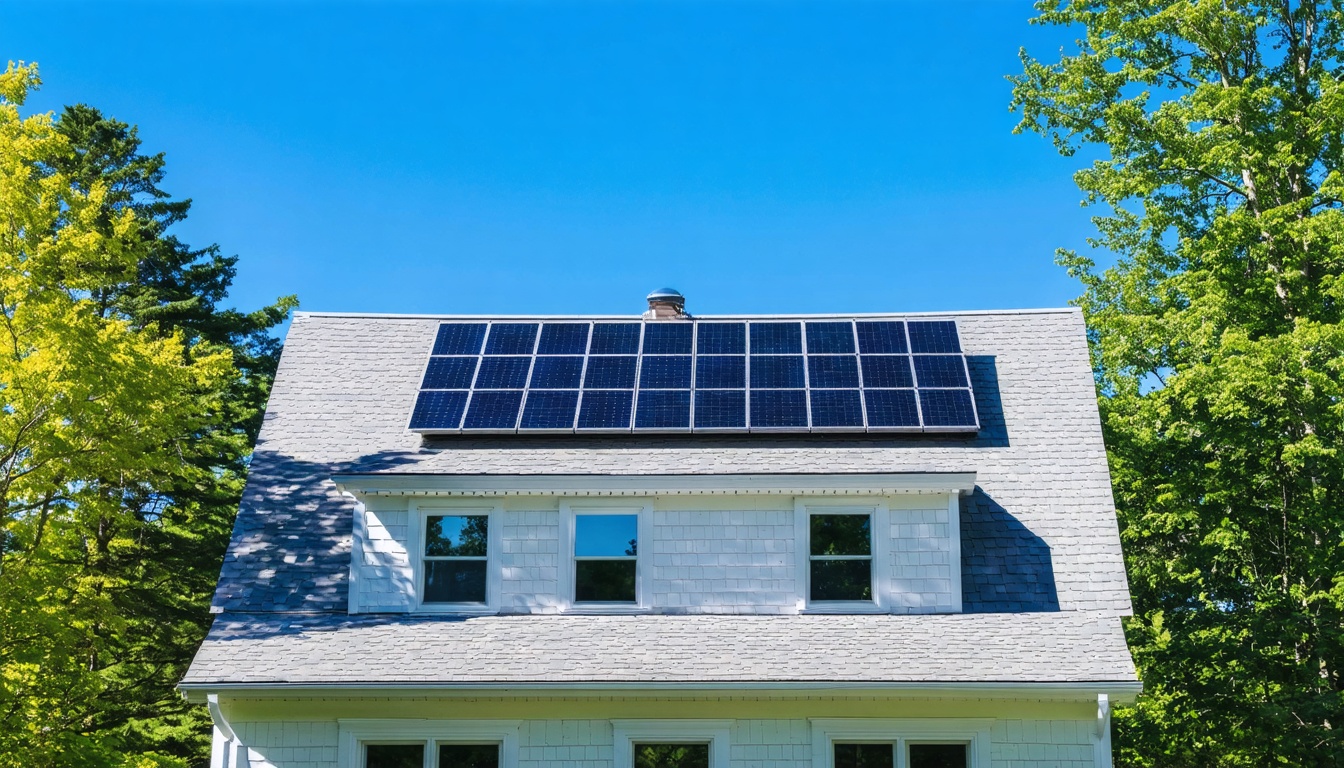
Solar Ready Roof Upgrades That Matter for Homes in New Hampshire
If you are considering upgrading your home in New Hampshire, making your roof solar ready is a practical investment that can enhance comfort, energy efficiency, and long-term cost savings. Proper roof upgrades for solar installations can lead to potential savings on energy bills, increased property value, and a contribution to renewable energy initiatives. However, there are important factors to take into account before proceeding with such upgrades. First, it is crucial to evaluate your current roof's condition and orientation. A sturdy roof with sufficient structural integrity is necessary to support solar panels. Additionally, the angle and direction of the roof can significantly affect solar energy production. South-facing roofs typically receive the most sunlight, which can optimize solar energy generation. Second, consider the type of roofing materials used. Certain materials, such as asphalt shingles, are more compatible with solar installations compared to others. Moreover, ensuring that your roofing is adequately insulated and ventilated can contribute to better overall energy performance. Another aspect to keep in mind is local regulations and incentives related to solar energy. In New Hampshire, there may be incentives available for homeowners installing solar panels, which can help offset the initial costs of installation. Understanding these local policies is beneficial for making an informed decision. Additionally, it may be beneficial to consult with professionals who specialize in solar panel installation and roofing. They can provide insights into the most effective upgrades for your specific situation and assist in ensuring compliance with local building codes. In summary, preparing your roof for solar energy involves evaluating the roof's condition, selecting appropriate materials, and understanding local regulations. These steps can contribute to a successful solar transition that benefits both your home and the environment.
The Real Cost of Inefficient Homes in New Hampshire
The cost implications of owning an inefficient home in New Hampshire can be notable, with average annual energy expenses ranging from $3,500 to $4,500. Homeowners residing in older properties may experience elevated costs, particularly during winter, when heating requirements increase.
This pattern emphasizes the need for improvements, such as roof upgrades and enhancements to overall energy efficiency. Neglecting to improve energy performance may also affect property values; homes that do not conform to modern efficiency standards might face reduced marketability.
To alleviate these issues, homeowners can consider updating outdated systems, installing solar panels, integrating battery storage solutions, and ensuring compliance with current building codes. For those looking to explore comprehensive options, Home Solar Power Solutions can provide valuable insights and tailored solutions for their specific needs. These upgrades can result in long-term savings and may minimize disruptions to everyday life.
The climate in New Hampshire places additional stress on homes, which may heighten the need for timely upgrades. Several government incentives and tax credits are available to assist homeowners in financing energy-efficient improvements.
These programs can lessen the initial investment required for such enhancements, making the transition to a more energy-efficient home a feasible option for many homeowners.
Key Strategies for Energy-Efficient Roofing
When considering options to enhance energy efficiency in homes, a practical focus for homeowners in New Hampshire is the roof. An aging roof, particularly one that is several decades old, may benefit from replacement with modern, energy-efficient materials.
High-performance roofing systems are designed to withstand the region's challenging weather conditions, which can contribute positively to energy efficiency and minimize disruptions during the installation process.
Upgrading an existing roof in accordance with current building codes is crucial for those intending to install solar panels in the future. This precaution can yield specific advantages, including reductions in energy costs, potential eligibility for tax credits, and access to government incentives.
Additionally, these upgrades can increase property value, facilitate the adoption of future battery storage solutions, and help decrease annual heating expenses.
In conclusion, investing in energy-efficient roofing offers homeowners a practical means to enhance their energy performance while preparing for potential future energy requirements.
Solar-Ready Design and Incentives
To ensure that a home is well-prepared for solar energy installation, strategic planning is essential. Homeowners in New Hampshire should focus on optimizing roof orientation and evaluating the structural integrity of existing roofs to effectively support solar panels.
In cases where roofs are aging, considering a roof upgrade can minimize future disruptions and improve energy efficiency.
Adhering to local building codes is important, as these regulations dictate the installation process and ensure safety standards are met.
Additionally, incorporating battery storage systems may provide advantages in areas with variable weather patterns, offering a dependable energy source during outages or periods of reduced sunlight.
Financial incentives for homeowners pursuing solar energy are notable. Government programs, such as federal tax credits and property tax exemptions, can alleviate installation costs and may increase the property’s long-term value.
Furthermore, net metering policies allow homeowners to earn credits for surplus energy generated by their solar panels, thereby enhancing potential financial returns.
The combined effects of federal and local rebates can result in meaningful cost reductions, while simultaneously promoting greater energy efficiency for homes.
By addressing these elements, homeowners can make informed decisions regarding the integration of solar energy into their residences.
Financial Considerations and Return on Investment
A comprehensive evaluation of the financial aspects of solar-ready roofing upgrades is important for homeowners in New Hampshire. Key considerations include installation costs, the potential need for roof replacement if the roof is over 20 years old, and necessary upgrades to existing systems to adhere to current building codes.
Homeowners can access various government incentives that may help reduce initial costs, such as federal tax credits and NHSaves rebates. These incentives can mitigate some of the financial burden linked to solar panel installation, battery storage, and energy efficiency enhancements.
Potential energy savings from these upgrades could reach approximately $2,400 annually, contributing to a reduced payback period for the investment. Furthermore, given New Hampshire's climate and housing market, such upgrades may enhance property value while minimizing the disruption typically associated with significant home renovations.
Overall, solar-ready roofing upgrades represent a financially viable option for homeowners in New Hampshire who are assessing long-term investment opportunities.
Enhancing Resale Value Through Efficiency Upgrades
As the housing market in New Hampshire adapts, energy-efficient features are becoming increasingly important to buyers. Homeowners of older properties may consider specific upgrades such as installing solar-ready roofing materials, improving insulation, and integrating battery storage systems.
These modifications align with modern building codes and can potentially attract higher offers from prospective buyers. Investing in solar panel systems, supported by available government incentives and tax credits, may increase a home's market value by approximately $15,000 to $20,000.
While these upgrades can involve significant upfront costs, they often lead to substantial long-term savings on energy bills, which may enhance the property's competitiveness in the market.
In addition, implementing upgrades that reduce installation disruption can further improve a home's appeal. This strategic approach to energy efficiency upgrades may play a significant role in maximizing resale value in the current real estate environment.
Selecting the Right Contractor for Solar Roofing
Selecting a contractor for a solar roofing project necessitates careful evaluation to ensure adherence to standards of reliability and quality. In New Hampshire, one method to assess potential contractors is by verifying industry-recognized certifications, such as GAF Master Elite® certification. This certification reflects a contractor's dedication to high levels of service and expertise in roofing and solar energy systems.
A competent contractor should demonstrate proficiency not only in replacing roofs but also in designing and installing efficient solar installations while complying with local building regulations. It is advisable to inquire about the types of materials that will be used, particularly regarding their durability under various weather conditions, as well as options for battery storage systems.
Additionally, contractors should be able to inform clients about applicable government incentives or tax credits that may be available for solar installations.
Experience in retrofitting existing homes can also be an important factor. A contractor skilled in this area may enhance the project efficiency while minimizing disruptions to homeowners’ daily activities. The potential for energy savings and the effectiveness of the installation should be considered, as these aspects influence both immediate and long-term financial returns on the investment.
Conducting thorough research and systematically evaluating possible contractors will provide a more informed basis for making decisions related to solar roofing needs.
Conclusion
Upgrading to a solar ready roof in New Hampshire can provide several advantages, including energy efficiency and potential increases in property value. A solar ready roof typically involves the installation of materials and infrastructure that facilitate the integration of solar panels in the future, which can be a prudent investment considering the growing trend toward renewable energy sources. Selecting the appropriate materials and working with a qualified contractor are crucial steps in this process. Proper installation can lead to reduced utility costs over time, making it a financially viable option for homeowners. Furthermore, homes designed with solar ready upgrades may have increased appeal to buyers who are interested in energy efficiency and sustainability. Regular maintenance of both the roof and any installed solar equipment is essential to ensure optimal performance and longevity. Such planning can aid in achieving reliable energy production and contribute to overarching sustainability goals. Therefore, solar ready upgrades present practical benefits for homeowners looking to enhance their properties while considering future energy needs.